

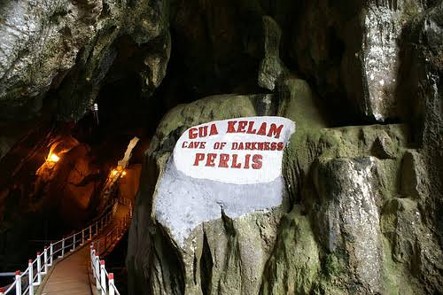
Provides guided cave experiences that combine local folklore, stories of former tin-mining activities, and the natural landscape of Perlis. Visitors also interact with local guides, food vendors, and souvenir operators who contribute to the destination experience.
Provides guided cave experiences that combine local folklore, stories of former tin-mining activities, and the natural landscape of Perlis. Visitors also interact with local guides, food vendors, and souvenir operators who contribute to the destination experience.
Preserves Gua Kelam’s former role as a tin-ore transport route by retaining mining remnants and interpreting the cave’s historical significance. The attraction safeguards its limestone formations while presenting the site as part of Perlis’ geological and industrial heritage.
Regulates guided cave tours, jungle walks, flying fox, and abseiling activities to reduce ecological disturbance. Visitor limits, codes of conduct, monitoring, and reinvestment of tourism income into conservation help protect cave ecosystems, underground rivers, surrounding forests, and wildlife habitats.
Creates livelihood opportunities for nearby communities through guiding, small eateries, souvenir kiosks, and tourism services. Local participation in operations and leadership allows economic benefits from ecotourism to circulate among residents.
Uses ranger-led interpretation to explain limestone geology, biodiversity, mining history, and local folklore. Workshops and seminars also equip residents with knowledge in environmental conservation, entrepreneurial management, and sustainable tourism, strengthening local capacity to manage the destination.
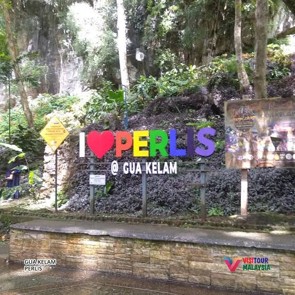
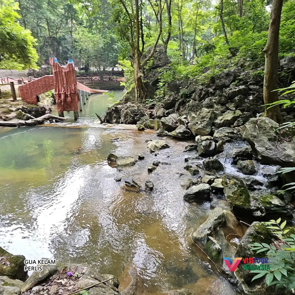
Provides guided cave experiences that combine local folklore, stories of former tin-mining activities, and the natural landscape of Perlis. Visitors also interact with local guides, food vendors, and souvenir operators who contribute to the destination experience.
Provides guided cave experiences that combine local folklore, stories of former tin-mining activities, and the natural landscape of Perlis. Visitors also interact with local guides, food vendors, and souvenir operators who contribute to the destination experience.
Preserves Gua Kelam’s former role as a tin-ore transport route by retaining mining remnants and interpreting the cave’s historical significance. The attraction safeguards its limestone formations while presenting the site as part of Perlis’ geological and industrial heritage.
Regulates guided cave tours, jungle walks, flying fox, and abseiling activities to reduce ecological disturbance. Visitor limits, codes of conduct, monitoring, and reinvestment of tourism income into conservation help protect cave ecosystems, underground rivers, surrounding forests, and wildlife habitats.
Creates livelihood opportunities for nearby communities through guiding, small eateries, souvenir kiosks, and tourism services. Local participation in operations and leadership allows economic benefits from ecotourism to circulate among residents.
Uses ranger-led interpretation to explain limestone geology, biodiversity, mining history, and local folklore. Workshops and seminars also equip residents with knowledge in environmental conservation, entrepreneurial management, and sustainable tourism, strengthening local capacity to manage the destination.
Provides guided cave experiences that combine local folklore, stories of former tin-mining activities, and the natural landscape of Perlis. Visitors also interact with local guides, food vendors, and souvenir operators who contribute to the destination experience.
Provides guided cave experiences that combine local folklore, stories of former tin-mining activities, and the natural landscape of Perlis. Visitors also interact with local guides, food vendors, and souvenir operators who contribute to the destination experience.
Preserves Gua Kelam’s former role as a tin-ore transport route by retaining mining remnants and interpreting the cave’s historical significance. The attraction safeguards its limestone formations while presenting the site as part of Perlis’ geological and industrial heritage.
Regulates guided cave tours, jungle walks, flying fox, and abseiling activities to reduce ecological disturbance. Visitor limits, codes of conduct, monitoring, and reinvestment of tourism income into conservation help protect cave ecosystems, underground rivers, surrounding forests, and wildlife habitats.
Creates livelihood opportunities for nearby communities through guiding, small eateries, souvenir kiosks, and tourism services. Local participation in operations and leadership allows economic benefits from ecotourism to circulate among residents.
Uses ranger-led interpretation to explain limestone geology, biodiversity, mining history, and local folklore. Workshops and seminars also equip residents with knowledge in environmental conservation, entrepreneurial management, and sustainable tourism, strengthening local capacity to manage the destination.